Oura: the case for design-led hardware
Life
Wellness
Wearable
Date published:
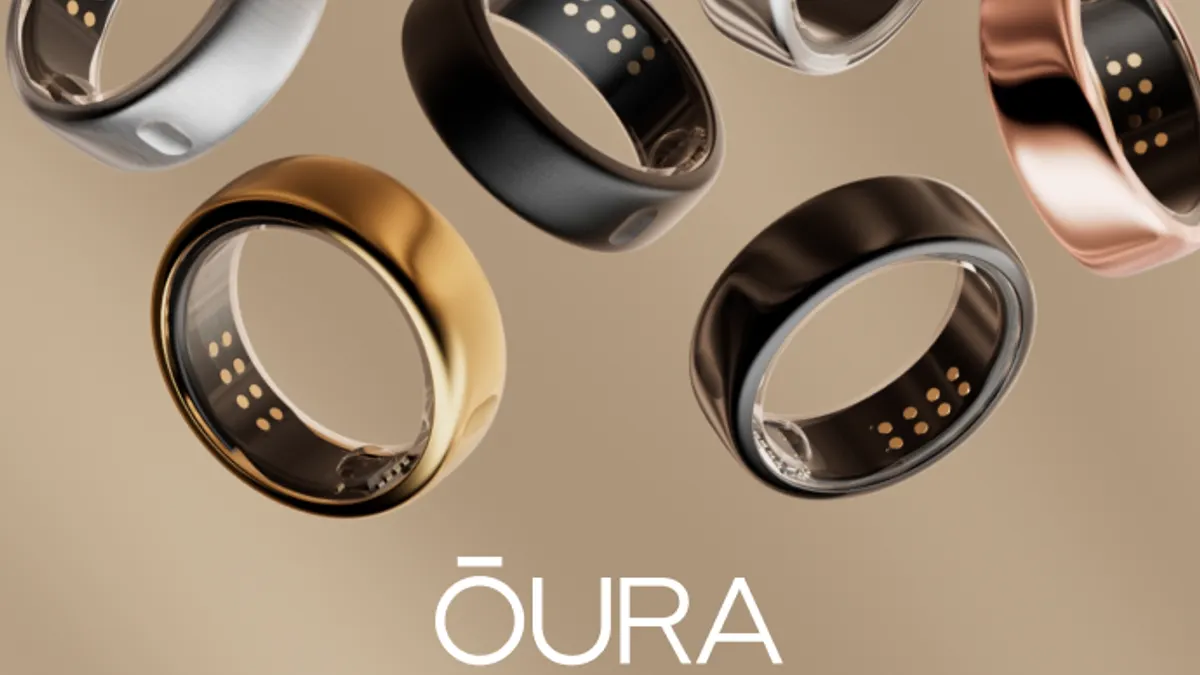
Life · Wellness · Wearables
A screen-free ring turned a graveyard category into an $11 billion company — proof that in mature hardware, the moat is recurring revenue and IP, not the device.
The setup
Oura makes a smart ring. It tracks sleep, recovery, and 50-plus health metrics with no screen and no notifications — you wear it, forget it, and check the app. That restraint, making the device disappear, is the strategy. Founded in Finland in 2013, Oura effectively created the smart-ring category.
The numbers
Oura's revenue roughly doubled from about $500 million in 2024 to around $1 billion in 2025, with CEO Tom Hale projecting up to $2 billion in 2026. It has sold 5.5 million rings since launch (up from 2.5 million through mid-2024), and its October 2025 Series E (~$875–900M, led by Fidelity) valued it near $11 billion — double its 2024 valuation. In May 2026, Oura filed confidentially for a US IPO. It is the most valuable independent wearable company in the world.
What it got right
Design is the moat in hardware — up to a point. Every wearable reads a heart rate; sensors are a commodity. Oura treated the ring as jewelry first, a sensor second, and won the battle that mattered: people actually want to wear it, around the clock. But Oura's own trajectory reveals the deeper lesson — the durable moat isn't even the design.
The real moat is recurring revenue plus IP. Oura attaches a ~$6/month subscription to the hardware — the thing that lets public-market investors imagine a health platform rather than a gadget company. And it enforces its patents aggressively: it won a US ITC case that banned infringing rings from rivals Ultrahuman and RingConn. Craft gets you in; subscriptions and patents keep you there.
The honest tension
A professional read has to name the catch: subscriptions are still only about 20% of revenue (~$110M of ~$500M in 2024). The income statement still says "hardware company with a promising subscription attached," even as Oura pitches itself as a recurring-revenue platform. It's on pace to pass 5 million paid members in 2026, which is real — but whether $11 billion is cheap or a trap depends on which story wins. Both are true at once.
The investable insight
Consumer hardware is historically a brutal, low-multiple business — thin margins, no repeat purchase. Oura is the counter-example, and the lesson generalizes cleanly: in a maturing hardware category, your moat is almost never the hardware. It's the recurring revenue you can attach and the IP you can enforce. Build a beautiful object and a subscription and a defensible patent position, and you've built a platform, not a gadget.
For the room
Design wins the first sale; subscription builds the business. A device is a transaction; a device plus a membership is a company.
In mature hardware, patents are a moat. Oura turned competitors into roadkill or royalty-payers. IP is strategy, not paperwork.
Be honest about the mix. ~20% subscription is real but not yet dominant — know which business you actually are.
The takeaway: People will pay for hardware, and pay again every month — but only for something beautiful, and only if you can defend it. Oura's $11B story is craft plus recurring revenue plus enforceable IP. The ring is the magic trick; the business runs underneath it.
Sources
Business Model Analyst — Oura's real moat: subscriptions and patents, not size
